Soft Tissue (Gum) Graftingin Yorba Linda
If you have periodontal disease, chances are you may also struggle with receding gums. This can cause unwanted discomfort, sensitivity, and even tooth loss over time. With soft-tissue grafting, your doctor can re-establish your gum line, help prevent further deterioration, and enhance your smile. Dr. Sandy Ku - Periodontics & Implant Surgery provides personalized periodontal care to address receding gums and help restore the health and appearance of your smile. Contact us today to schedule a consultation and learn whether soft-tissue grafting is right for you.
What is gum recession?
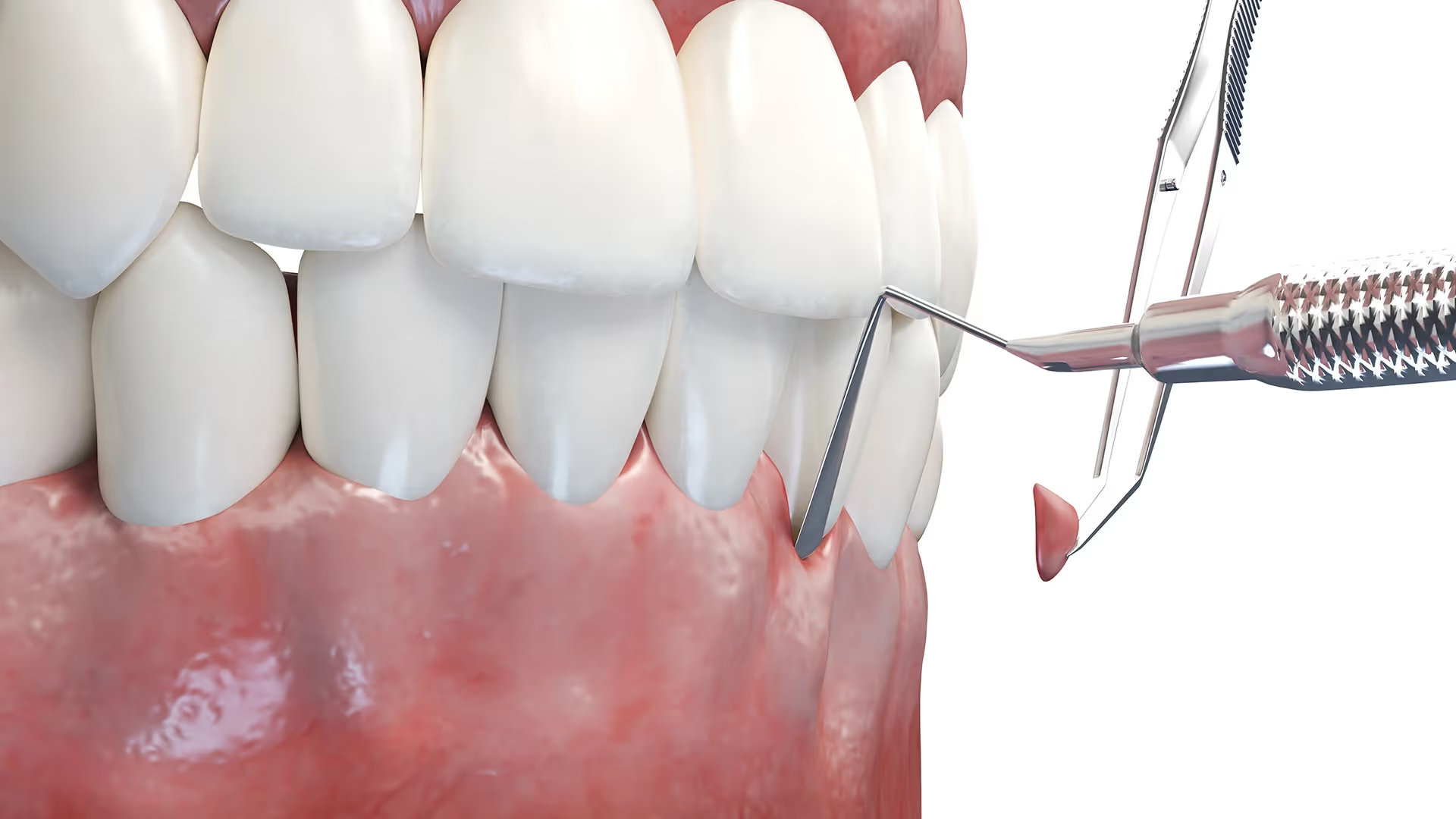
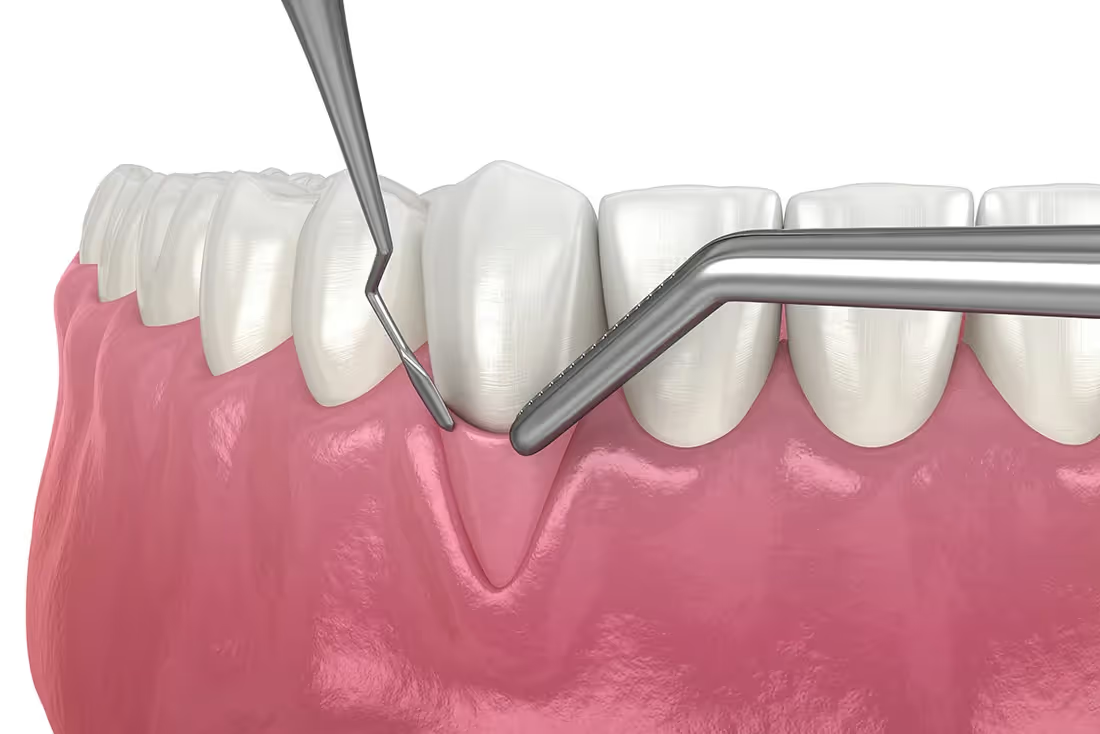
Gum recession refers to the process where the gum tissue surrounding the teeth pulls back or wears away, exposing more of the tooth or even the tooth's root. This can lead to increased tooth sensitivity, a higher risk of cavities, and an overall cosmetic concern, as the teeth may appear longer than usual. Gum recession can occur due to a variety of factors, including poor oral hygiene, gum disease, aging, aggressive tooth brushing, or even genetics.
One effective periodontal care treatment for gum recession is a soft tissue gum graft, which helps restore the lost gum tissue and protect the tooth roots. During this procedure, tissue is typically taken from the roof of the mouth (palate) or from a donor site and grafted onto the affected areas to cover the exposed roots. This can help reduce sensitivity, improve the appearance of the gums, and prevent further damage to the teeth.
The Benefits of Soft Tissue Grafting
Reverse Gum Damage
Serious cases of gum disease or things like over brushing aggressively can cause gum recession and damage, which may harm your oral health. With soft tissue grafting, you can reverse most or all of this damage, and smile proudly once again.
Enhance Your Smile
Receding gums can make your smile look unbalanced, giving you a “toothy” smile since your gums have receded. Soft tissue grafting restores the natural shape, lines, and volume of your gums. This, in turn, makes you more confident in your smile.
Minimize Tooth Sensitivity
Not only does gum recession affect your appearance, but it also can make your teeth sensitive. Some of the lower parts of your teeth will be exposed, and these are more sensitive to heat, cold, and pressure. With soft tissue grafting, you can cover these teeth up and mitigate sensitivity.
The Soft Tissue Grafting Process
Initial Consultation

Initial Consultation
First, you’ll need to meet with your periodontist to discuss your oral health and get an exam. They will look for signs of receding gums, and take x-rays of your mouth to check the overall health of your gums and teeth. Then, your doctor will let you know if you’re a candidate for soft tissue grafting.
Soft Tissue Grafting Surgery
Soft Tissue Grafting Surgery
Your periodontist will clean and numb the treatment site. Then, they’ll take some oral tissue from elsewhere in your mouth and carefully suture it to your gums with delicate, fine stitches. Over time, this tissue will heal and bond with your existing gum tissue, restoring your oral health.
Healing & Aftercare
Healing & Aftercare
Your periodontist will send you home with a set of recovery instructions. Your mouth will mostly be healed within 1-2 weeks, though it could take up to 4-8 weeks for your mouth to heal completely.

FAQ's
Frequently Asked Questions
Check out these frequently asked questions, or call us to speak with our team.
Soft tissue grafting typically uses an “autograft.” This means that your oral surgeon will take tissue from elsewhere in your mouth, then apply it to your gums. This tissue is most often harvested from the roof of your mouth. In some cases, tissue from other sources may be used.
No. Your mouth will be completely numb during your appointment, so you won’t feel any pain or discomfort. Your mouth may hurt after your numbing wears off, but this discomfort will go away after a few days. If you continue to feel a lot of pain, contact your oral surgeon for a follow-up.
Yes. You can eat or drink as soon as you want to after surgery. However, you should only eat soft foods, since tough and crunchy foods could cause pain and interfere with the healing process.